Indigenous and Traditional Medicinal Knowledge of the Paniya Tribe
6/11/20263 min read

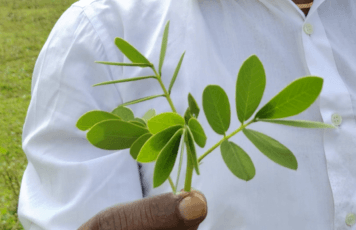
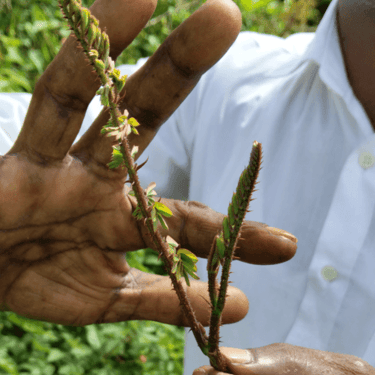
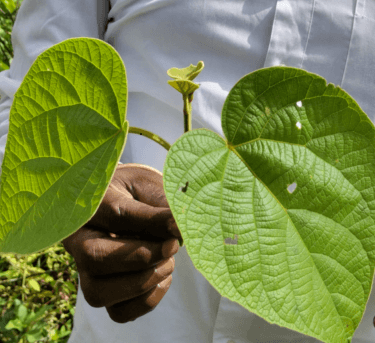
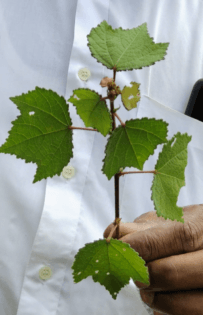
The Paniya tribes possess a deep, ancestral understanding of nature and the medicinal properties of local flora. Interestingly, to preserve the sanctity and efficacy of their treatments, they utilize a unique cultural practice. To prevent the loss of a remedy's healing power, the Paniya people avoid openly discussing the names of medicinal plants. They believe that speaking about them too freely can cause the medicine's potency to vanish. Instead of uttering the plant's name, a practitioner will typically bring a part of the plant or the entire specimen and show it directly to the patient. These medical treatments are sacred practices passed down directly through generations from their ancestors. Below is a detailed documentation of specific ailments, the local plant names, their scientific classifications, and the traditional methods of preparation and application.
Traditional Remedies & Ethno-botany
1. Stomach Pain
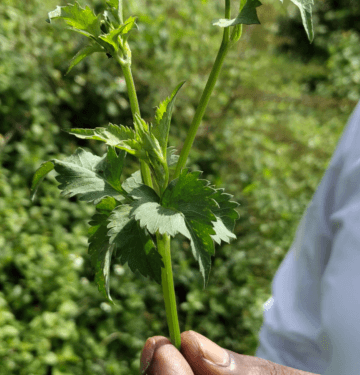
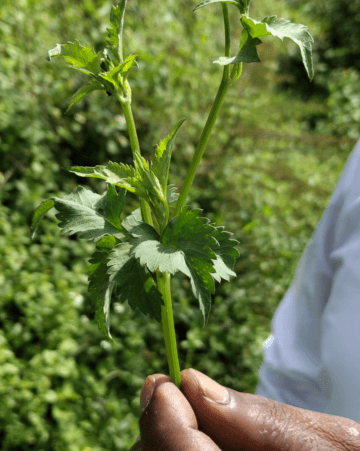
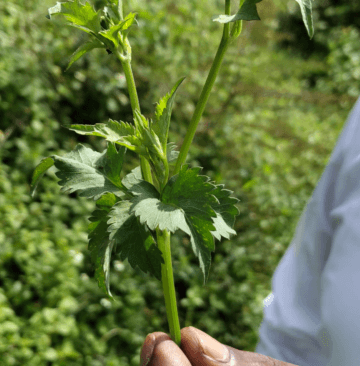
a. Local Plant Name: Mundu murunga choppu, /mʊndʊ mʊrʊŋɡʌ sɒppʊ/
leaf of a specific tuber, and leaf of aakula paakarkaai.
b. Botanical Name: Bidens pilosa L.
c. Preparation & Application: The leaves of Mundu murunga choppu are crushed and ground to create a fine paste, which is then ingested internally by the patient to relieve stomach pain.
2. Headache
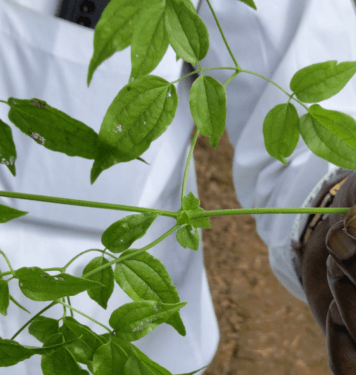
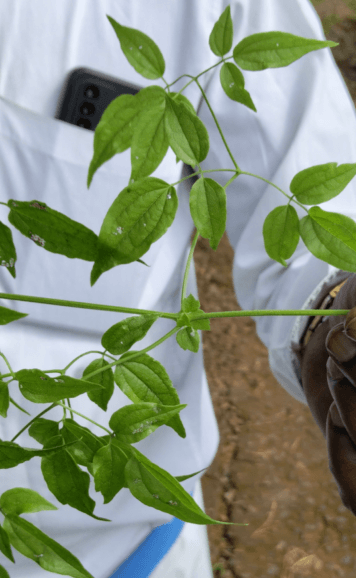
a. Local Plant Name: Elivalli /elivalli/
b. Botanical Name: Clematis gouriana Roxb. ex DC
c. Preparation & Application: There are two traditional methods for treating headaches using this plant:
d. Steam Inhalation: The leaves are placed in boiling water, and the patient inhales the medicated steam.
e. Direct Topical Wrap: The raw, fresh elivalli leaves are rolled and bound directly around the head while the patient rests.
3. Sleeping Problems (Insomnia)
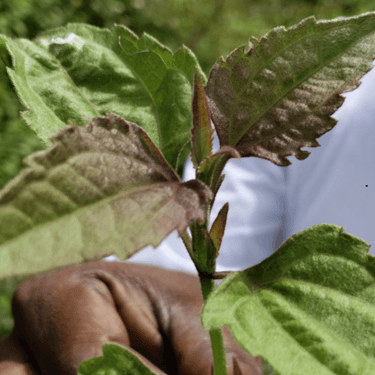
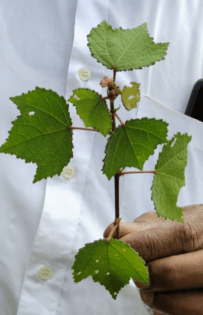
a. Local Plant Name: Oora choppu or Oora kaai /uːrʌ sɒppʊ/
b. Botanical Name: Urena lobata L.
c. Preparation & Application: The leaves (choppu) and fruits (kaai) are ground together to form a medicinal paste. This paste is applied externally to the crown of the head (upper head). It induces a deep, restful sleep naturally, removing the need for pharmaceutical pills.
4. Skin Rashes and Itches
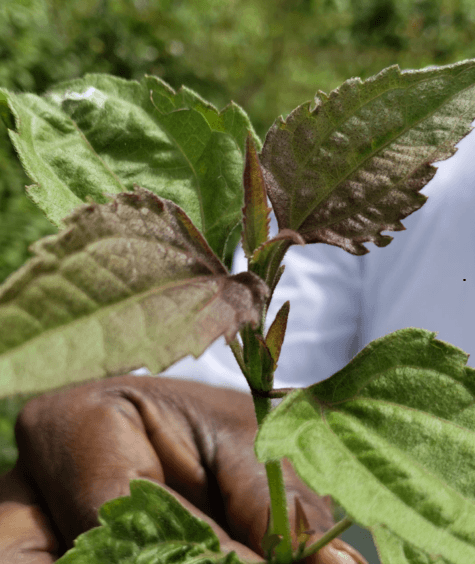
a. Local Plant Name: Kattappe. /kʌttʌppeɪ/
b. Botanical Name: Ageratum conyzoides L.
c. Preparation & Application: The plant leaves are processed into a smooth paste. This paste is applied topically and fixed directly onto the affected areas of skin rashes or itching to soothe irritation and promote healing.
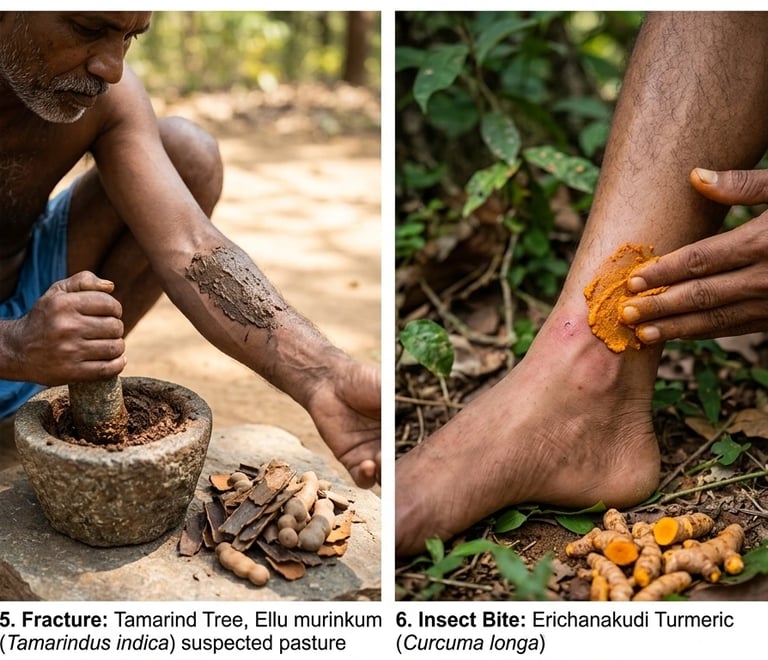
5. Fracture
a. Local Plant Name: Ellu murinkum /ɛlluː murɪŋkʊm/
b. Botanical Name: Tamarindus indica (Tamarind Tree)
c. Preparation & Application: The bark of the tamarind tree is processed into a fine paste and smeared directly onto the affected area to heal the bone.
6. Insect Bite
a. Local Plant Name: Iichakatucca /iːtʃəkətʊk.kə/
b. Botanical Name: Curcuma longa (Erichanakudi Turmeric)
c. Preparation & Application: The specialized turmeric is ground into a paste and applied directly to the bite site to reduce irritation and swelling
.
Medicinal Plants