Funeral Rituals and the Spiritual Journey of the Paniya Tribe
Dr.K.Umaraj
5/15/20262 min read
In the worldview of the Paniya tribe, death is not finality but a profound “saavu” a transformation where the soul migrates from the physical realm to a spiritual one. To the Paniyas, the soul is a divine gift from God, while the body is a gift from the mother. This dualism forms the foundation of their funerary rites, which are designed to ensure the comfort of an immortal spirit that continues to dwell within the community long after the body has returned to the earth.
a.The Communal Announcement and the Role of Leadership
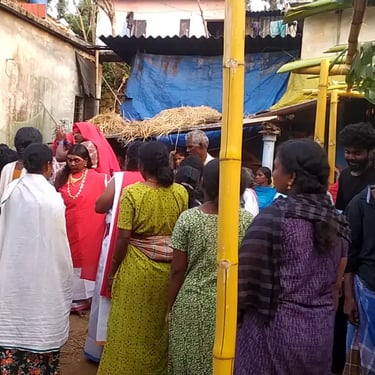
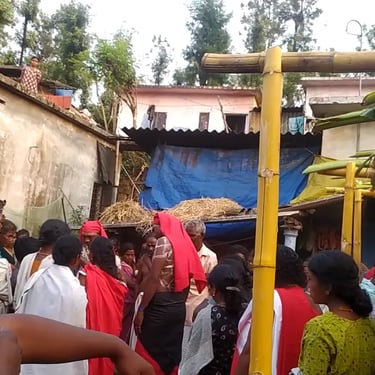
The passing of a community member triggers a sophisticated social protocol that emphasizes unity. No announcement is made until the village leader (Kuttan) grants formal approval. Once sanctioned, the news ripples through the settlement, bringing all villagers to the home of the deceased. This collective mourning is a hallmark of Paniya identity; even the burial shroud is a joint purchase by the community, symbolizing that in death, as in life, no individual stands alone.
b.Purification and the Cave Burial
The ritual preparation of the body, or ‘thandu’, involves a meticulous process of purification. The deceased is bathed in turmeric-mixed water a traditional cleansing agent and adorned with garlands. Unlike the surrounding cultures that often practice cremation; the Paniyas maintain a unique burial tradition. They excavate a pit in the shape of a cave, placing a wooden plank within to serve as a resting place. This ‘cave’ structure is designed with deep reverence, ensuring that no soil or stones fall directly upon the deceased, reflecting their belief that the soul and body remain inseparably related even in the grave.
c.Feeding the Immortal Spirit
The Paniya belief in the immortality of the soul known as chulalaguli dictates that the spirit retains human-like needs. Consequently, the burial site (sodale) is not merely a place of rest but a site of continued care. Families place offerings of rice water (kanji), betel leaves (vettila), tobacco, and lime within the tomb to sustain the soul on its journey. It is believed that these spirits remain active in the colony, influencing the success of harvests, protecting domestic animals, and warning the living of impending tragedies.
d.Rituals of Remembrance and the ‘attali’
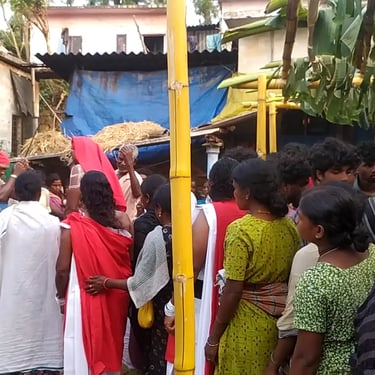
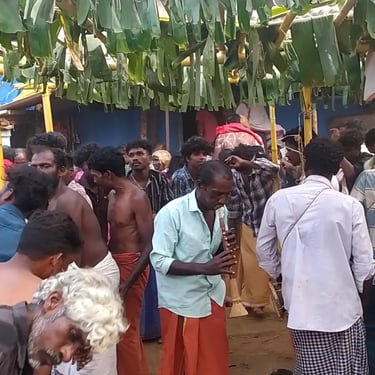
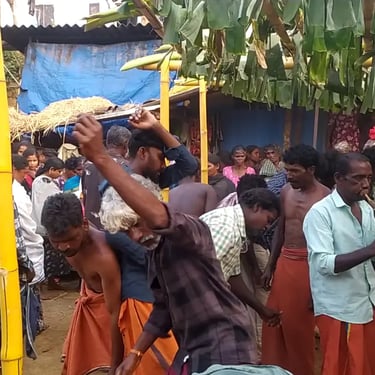
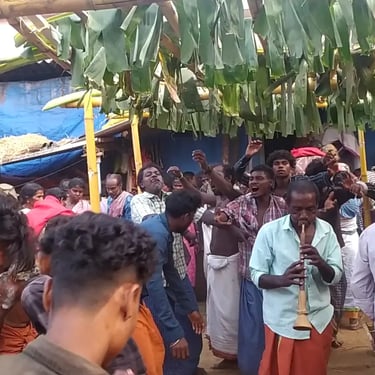
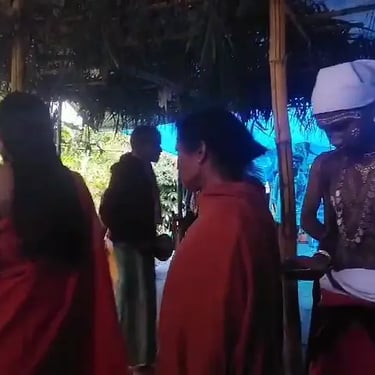
The mourning process is punctuated by symbolic acts of grief and spiritual connection. The eldest son typically undergoes tonsuring, a physical manifestation of his loss. A seven-day period of condolence is observed, culminating in a ceremonial day of singing and dancing at the ‘sodale’. This celebration is not just for the living; it is a communication with the dead. Through a trance dancer known as the ‘attali’, the spirit of the ancestor may possess a living medium to speak to the family, offering guidance, inquiring about their welfare, and revealing its own state of peace in the afterlife.
e.A Living Heritage in Transition
The funeral rituals of the Paniya people offer a rare glimpse into an indigenous system of faith where the boundaries between the living and the dead are permeable. While modern influences and standardized regional practices are beginning to reach these settlements, the core of the Paniya funerary tradition remains a testament to their spiritual resilience.

Funeral Rituals Photos
Seven days - The family observes a period of condolence